Category: Design

  • So You Want to Livestream. Now What?

    So You Want to Livestream. Now What?

    Livestreaming has exploded in popularity in recent years, allowing anyone from gamers to musicians to chefs to broadcast live video content to an audience over the internet. If you’ve decided you want to start your own livestream, where do you actually begin? 

    First, determine what kind of content you want to stream and who your target audience is. This will help guide decisions on which platform to use and what equipment you may need. Popular streaming platforms include Twitch, YouTube Live, Facebook Live, and platforms like Smash.gg for gaming tournaments.

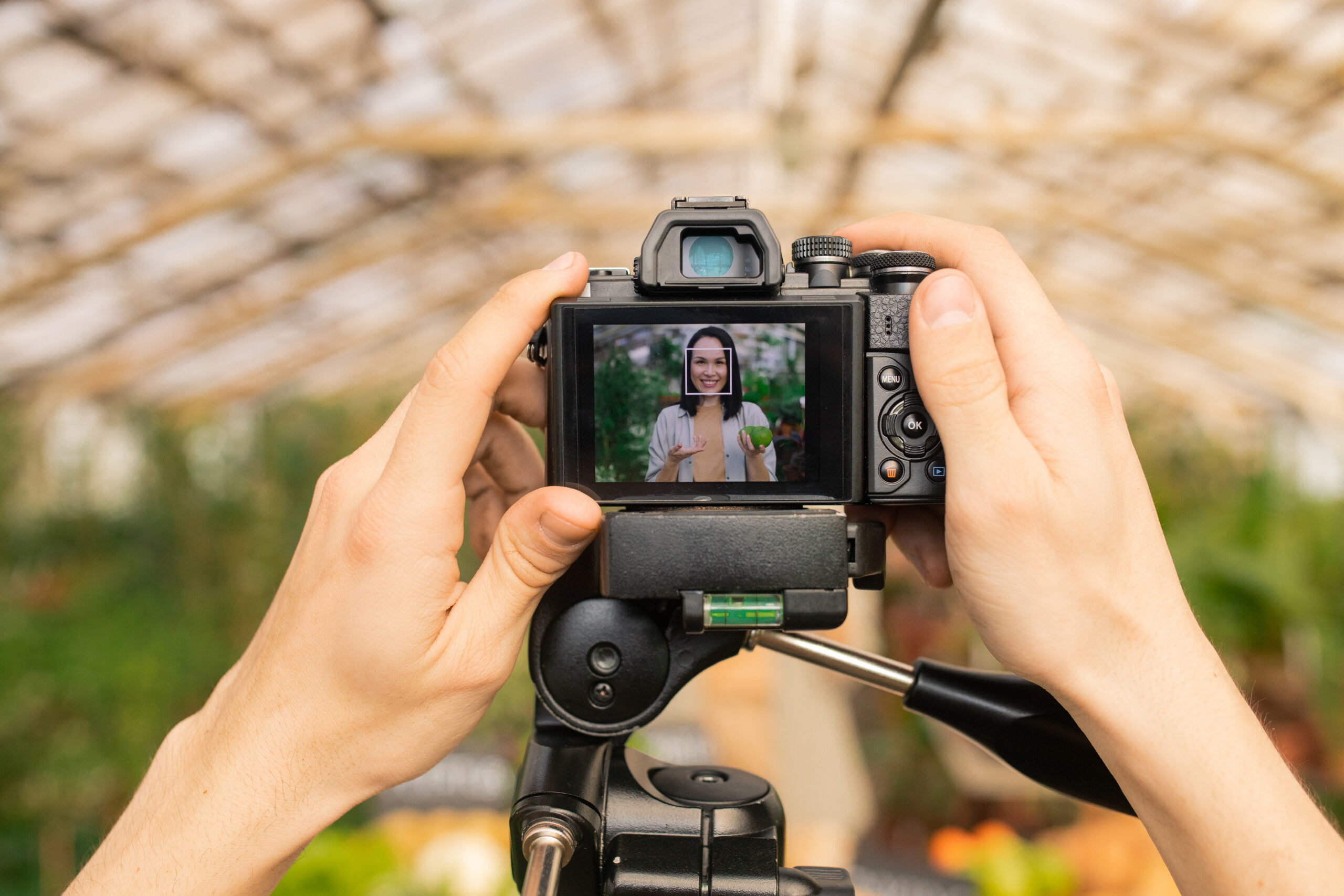
    Next, take a look at your hardware situation. At a minimum, you’ll need a computer with decent internet bandwidth to broadcast your stream without major lag or buffering issues. You’ll also need a webcam if you plan on being on camera. High-quality external webcams and microphones can provide much better video and audio compared to basic laptop/desktop peripherals.

    Once you have your hardware ready, you’ll need livestreaming software to broadcast to your platform of choice. Very popular free options include OBS Studio and Streamlabs OBS. These allow you to set up custom scenes, add overlays like webcam borders or sponsors, and customize streaming settings.

    Before you go live, it’s a good idea to do some test recordings to check your audio/video settings and get a feel for things. Make sure your lighting is adequate, your microphone is picking up sound clearly, and your webcam is positioned properly. Audiences expect a reasonable level of quality and production value these days.

    When you’re ready to go live, promote your stream on social media, forums, or communities related to your niche. Having a consistent schedule can help build an audience over time. Be prepared to interact with your viewers through the livestream chat.

    Most importantly, try to have fun and engage with your audience! Livestreaming is all about that real-time connection. With some perseverance, you could build a loyal following for your livestream content.
  • The Battle Between Crop Sensor and Full-Frame: Pros and Cons

    The Battle Between Crop Sensor and Full-Frame: Pros and Cons

    When it comes to digital cameras, one of the key decisions photographers face is whether to opt for a crop sensor (APS-C) or a full-frame sensor. Both sensor types have their own unique advantages and disadvantages, making the choice a matter of individual preference and shooting needs. In this article, we’ll delve into the pros and cons of crop sensor cameras, helping you make an informed decision.

    Pros of Crop Sensor Cameras:

    1. Affordability: One of the most significant advantages of crop sensor cameras is their cost-effectiveness. Due to their smaller sensor size and less complex manufacturing process, these cameras are generally more budget-friendly than their full-frame counterparts, making them an excellent choice for beginners or those on a tight budget.

    2. Effective Focal Length Magnification: Crop sensor cameras effectively magnify the focal length of lenses, providing a longer reach without the need for additional expensive telephoto lenses. This makes them ideal for sports, wildlife, and action photography, where you might need to capture distant subjects.

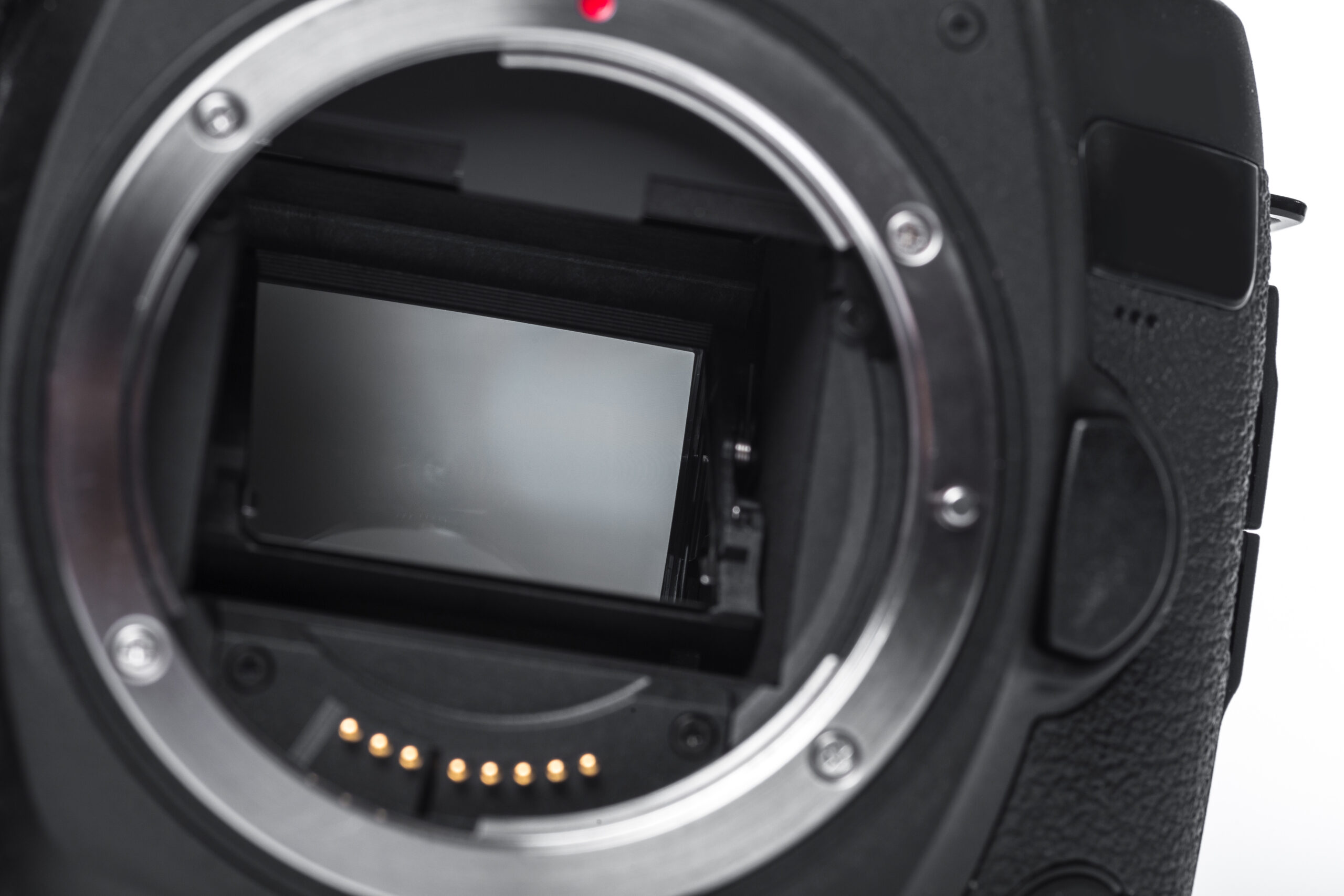
    3. Depth of Field Control: The smaller sensor size of crop sensor cameras results in a deeper depth of field compared to full-frame cameras when using the same aperture and focal length. This can be advantageous for landscape and macro photography, where you want to keep more of the scene in focus.

    4. Compact and Lightweight Design: Crop sensor cameras are typically smaller and lighter than full-frame models, making them more portable and easier to carry around for extended periods, especially when traveling or hiking.

    Cons of Crop Sensor Cameras:

    1. Image Quality and Low-Light Performance: While crop sensor cameras have come a long way in terms of image quality, they still generally lag behind their full-frame counterparts in terms of overall image quality, dynamic range, and low-light performance. The smaller sensor size means smaller individual pixels, which can result in more noise and less detail in low-light situations.

    2. Limited Wide-Angle Capabilities: Due to the crop factor, wide-angle lenses on crop sensor cameras don’t provide the same field of view as they would on a full-frame camera. This can be limiting for certain types of photography, such as architecture, landscapes, and astrophotography, where a wider field of view is desirable.

    3. Depth of Field Issues: While the deeper depth of field can be an advantage in some situations, it can also be a hindrance in others. For example, when shooting portraits, you may find it more challenging to achieve a pleasingly blurred background (bokeh) with a crop sensor camera.

    4. Resale Value: Full-frame cameras generally hold their value better than crop sensor models, making them a better long-term investment if you plan to upgrade or sell your gear in the future.

    In conclusion, crop sensor cameras offer an excellent balance of affordability, portability, and capabilities that make them a great choice for many photographers, particularly those starting out or those who prioritize cost-effectiveness and versatility. However, if you demand the highest possible image quality, low-light performance, and wide-angle capabilities, a full-frame camera might be the better option, albeit at a higher price point. Ultimately, the decision comes down to your specific needs, shooting style, and budget.

  • Point and Shoot vs DSLR Cameras: Understanding the Key Differences

    Point and Shoot vs DSLR Cameras: Understanding the Key Differences

    In the world of photography, two main types of cameras dominate the market: point and shoot cameras and digital single-lens reflex (DSLR) cameras. While both serve the purpose of capturing images, they differ significantly in terms of features, capabilities, and intended use. Understanding these differences can help you make an informed decision when choosing the right camera for your needs.

    Point and Shoot Cameras: Compact and Convenient

    Point and shoot cameras, also known as compact cameras, are designed for simplicity and ease of use. These cameras are typically small, lightweight, and pocket-friendly, making them ideal for casual photographers who want to capture everyday moments without the hassle of complex settings.

    Key features of point and shoot cameras:

    1. Automatic settings: Point and shoot cameras are built with automated features that handle most of the camera settings, such as focus, exposure, and white balance. This makes them user-friendly for those who prefer a straightforward, point-and-shoot experience.

    2. Zoom lenses: Many point and shoot cameras come equipped with built-in zoom lenses, allowing you to get closer to your subject without physically moving. However, the zoom range is generally limited compared to DSLR cameras.

    3. Compact size: The compact design of point and shoot cameras makes them highly portable and convenient for travel, social events, and capturing spontaneous moments on the go.

    4. Limited manual controls: While some advanced point and shoot cameras offer manual controls, most models prioritize automatic settings and ease of use over extensive customization options.

    DSLR Cameras: Versatility and Professional-Grade Features

    DSLR cameras, on the other hand, are designed for photographers who demand greater control, flexibility, and image quality. These cameras are typically larger and more robust, offering a range of advanced features and interchangeable lenses.

    Key features of DSLR cameras:

    1. Interchangeable lenses: DSLR cameras allow you to swap lenses based on your shooting needs, enabling you to capture a wide variety of subjects and scenarios with optimal optics. This versatility is one of the most significant advantages of DSLR cameras.

    2. Manual controls: DSLR cameras offer extensive manual controls, allowing you to adjust settings like aperture, shutter speed, ISO, and white balance to achieve the desired creative effects and capture images tailored to your vision.

    3. Larger image sensors: DSLR cameras typically have larger image sensors compared to point and shoot cameras, which translates to better image quality, lower noise levels, and improved low-light performance.

    4. Advanced autofocus and metering systems: DSLR cameras employ sophisticated autofocus and metering systems, enabling precise focus tracking and accurate exposure calculations, even in challenging lighting conditions.

    5. High-speed shooting: Many DSLR cameras are capable of capturing high-speed burst shots, making them well-suited for action photography, sports, and other fast-paced scenarios.

    While DSLR cameras offer greater versatility and control, they also come with a steeper learning curve and a higher price tag compared to point and shoot cameras.

    Choosing the Right Camera for Your Needs

    Ultimately, the choice between a point and shoot camera and a DSLR camera depends on your photography goals, experience level, and budget. Point and shoot cameras are ideal for casual photographers who prioritize convenience and simplicity, while DSLR cameras cater to those seeking professional-grade features, manual controls, and the ability to capture high-quality images in various shooting scenarios.

    Remember, the camera itself is just a tool; the true art lies in the photographer’s vision, creativity, and understanding of composition and lighting. Regardless of your choice, practice and experimentation are key to mastering the art of photography.