Category: Lifestyle

  • How to Photograph Newborns: Tips for Capturing Precious Memories

    How to Photograph Newborns: Tips for Capturing Precious Memories

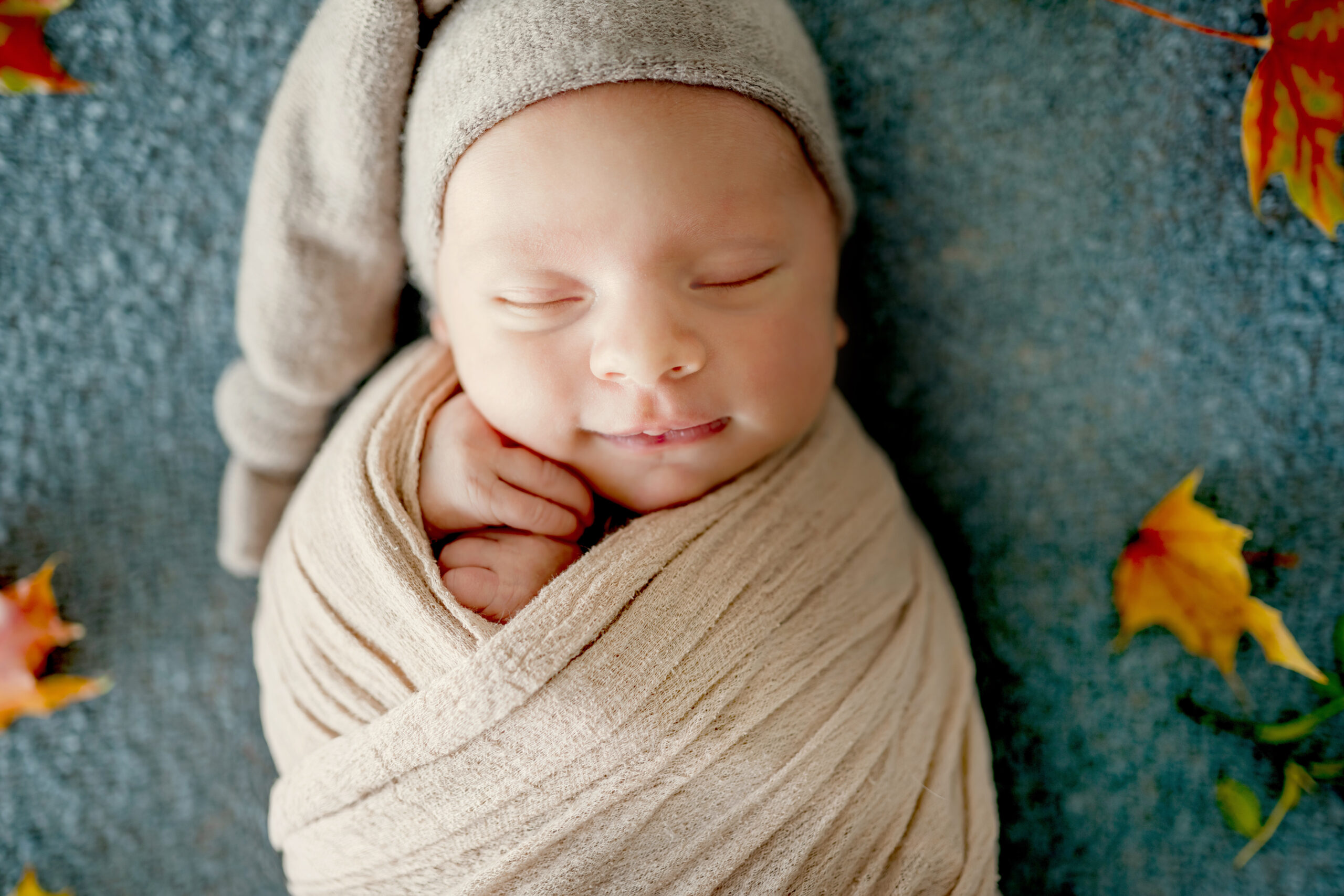
    The first few weeks after having a newborn baby are a whirlwind of emotions, sleepless nights, and indescribable joy. It’s a fleeting moment in time that you’ll want to cherish and remember forever through beautiful photographs. However, newborn photography can be challenging due to the baby’s fragility, squirmy movements, and irregular sleeping patterns. With some preparation and the right techniques, you can capture stunning images that showcase your little one’s innocence and vibrant newborn details.

    Scout the Perfect Location

    Find a warm, comfortable spot in your home with plenty of natural lighting from a large window. North-facing rooms are ideal as they provide soft, diffused light with minimal harsh shadows. The nursery or master bedroom often works well, or you can set up a simple backdrop with a solid blanket or cloth diaper in front of a window. Ensure the background is clean and uncluttered to avoid distractions.

    Timing is Everything

    Plan to do your newborn photoshoot within the first two weeks after birth. Newborns are often sleepier and easier to pose during this window. Try to capture the session when your little one is in a milk coma after a feeding. However, be flexible as babies run on their own schedules. Watch for tired cues like eye rubbing or yawning and take breaks as needed.

    Keep them Comfy and Safe

    The most important factor when photographing newborns is ensuring their safety and comfort at all times. Never prop or force your baby into an unnatural pose. Only use approved posing accessories like tightly rolled blankets and watchfully spot them with your hands. Keep babies swaddled or loosely wrapped in soft fabrics, only exposing the areas you’re shooting. Use a space heater nearby to maintain a warm environment.

    Get in Close

    To best capture all those tiny features and details, get in close with your lens. A prime lens with a large aperture like 50mm f/1.8 can produce beautifully blurred backgrounds and make colors pop. Shoot from different perspectives—overhead, side angles, close-ups—for a variety of shots and mini scenes. Move slowly and watch for those fleeting newborn expressions.

    Incorporate Meaningful Props

    You’ll want some portraits with just baby alone but incorporating meaningful props can add visual interest and symbolism. Try swaddling them in a cozy knit blanket, tucking them into a wooden bowl, or nestling them in a flokati rug. When using any props, ensure they are free of loose threads, have no sharp edges, and can’t trap little fingers or toes.

    Take Your Time

    Newborn photoshoots require loads of patience. Expect plenty of breaks for feedings, changings, soothing, and naps. Be prepared for fussiness and lots of trial and error as you find what poses and angles work best. Take advantage of any little windows where your baby is settled and snap away. The more patient and persistent you are, the more precious images you’ll capture.

    With some basic gear, a prepped setting, and an abundance of patience, you can beautifully document your newborn’s first days through photographs. These emotional images preserving your baby’s fragile innocence and tiny features will be treasured forever.

  • So You Want to Buy a DSLR Camera, Now What?

    So You Want to Buy a DSLR Camera, Now What?

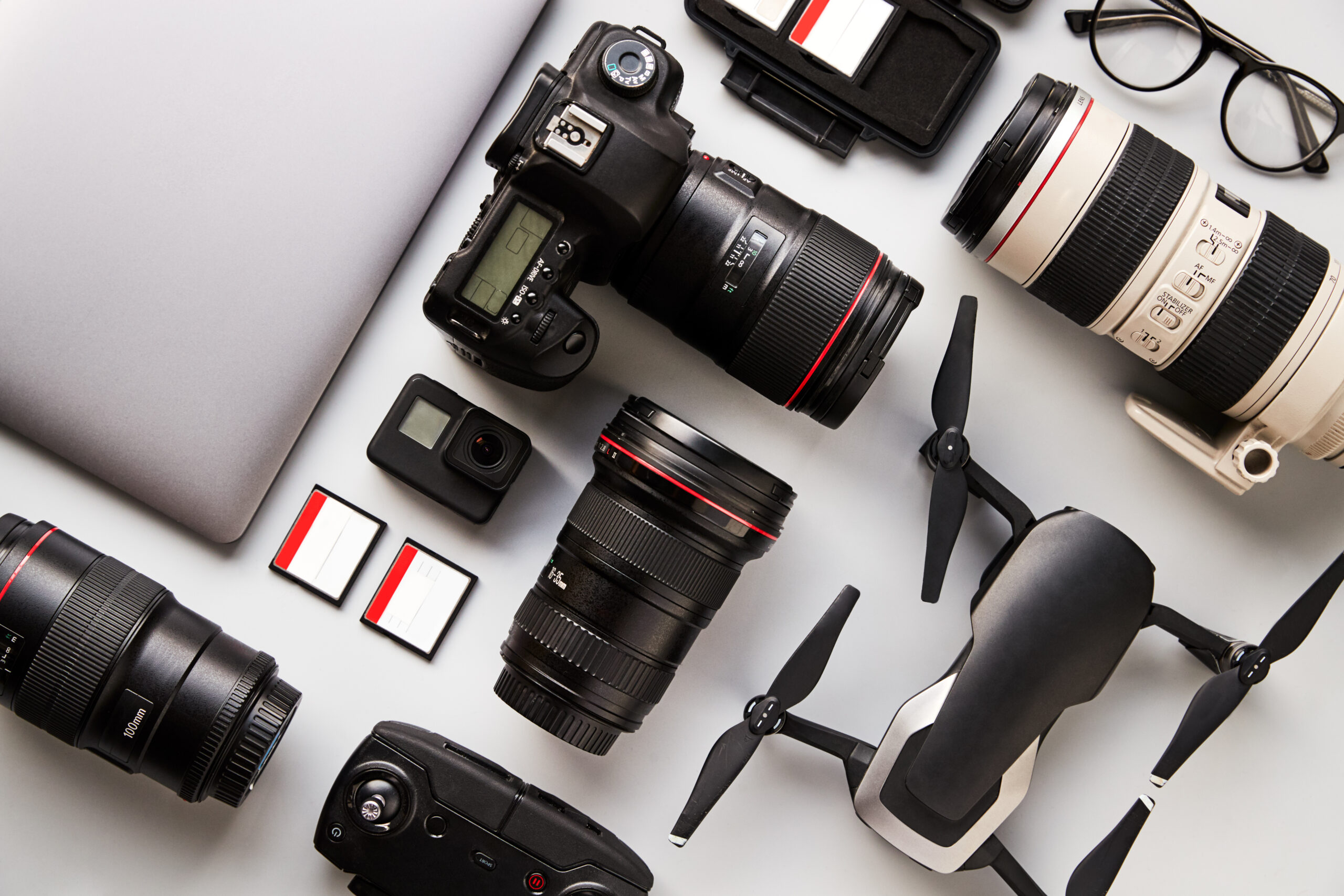
    If you’re an aspiring photographer looking to take your skills to the next level, you’ve probably been dreaming about upgrading to a DSLR (digital single lens reflex) camera. DSLRs offer superior image quality, more control over settings, and the ability to use interchangeable lenses compared to point-and-shoot cameras. However, the vast selection of DSLR models and features can be intimidating for a first-time buyer. This guide will help you navigate the process of choosing the right DSLR for your needs and budget.

    Determine Your Budget

    DSLRs can range from a few hundred dollars for an entry-level model to several thousand for a professional-grade camera body. It’s essential to set a realistic budget from the start. Remember that you’ll likely need to buy lenses in addition to the camera body, which can add significant cost. As a beginner, you may want to start with an affordable entry-level or mid-range DSLR and invest in better lenses or accessories later.

    Consider the Sensor Size

    The sensor size is one of the most critical factors in image quality. DSLRs typically use APS-C sensors (smaller than full-frame) or full-frame sensors (same size as 35mm film). Full-frame sensors provide better low-light performance, dynamic range, and overall image quality but come at a higher price point. APS-C sensors are more affordable and still produce excellent results, especially for those just starting out.

    Decide on Important Features

    Different DSLR models offer various features, and it’s essential to prioritize the ones that matter most to you. Here are some key features to consider:

    – Megapixel count: Higher megapixels allow for larger prints or more cropping flexibility, but aren’t everything.

    – Autofocus system: A more advanced autofocus system with more focus points can better track moving subjects.

    – Continuous shooting speed: If you plan to photograph sports or action, a faster continuous shooting rate is desirable.

    – Video capabilities: For videographers, features like 4K video, microphone input, and headphone jack are important.

    – Weather sealing: For outdoor photography, weather-sealed bodies offer better protection against dust and moisture.

    – WiFi/Bluetooth connectivity: These allow for wireless transfer of images to smartphones or tablets.

    Don’t Forget About Lenses

    While the camera body is essential, the lenses you choose will significantly impact your photography. Most DSLR bodies are sold with a basic kit lens, but you’ll likely want to invest in additional lenses for different purposes, such as a telephoto lens for sports or wildlife, a wide-angle lens for landscapes, or a prime lens for portraits with beautiful bokeh (background blur).

    Handling and Ergonomics

    Before making your final decision, try to handle the DSLR models you’re considering in person. Pay attention to how they feel in your hands, the placement of controls, and the overall build quality. A camera that doesn’t feel comfortable or intuitive to use can detract from the enjoyment of photography.

    In conclusion, buying your first DSLR is an exciting step in your photography journey. Take the time to research your options, prioritize the features that align with your goals, and don’t be afraid to seek advice from experienced photographers or camera store staff. With the right DSLR and lens combination, you’ll be well-equipped to capture stunning images and unleash your creativity.

  • The Breathtaking Beauty of Wildlife Photography

    The Breathtaking Beauty of Wildlife Photography

    For nature lovers and adventurous souls, few pursuits are as thrilling and rewarding as wildlife photography. This unique art form allows us to capture the raw majesty of the natural world and its inhabitants in all their unbridled glory. From the powerful gaze of a lion on the African savanna to the delicate grace of a hummingbird in flight, every photograph tells a tale of the wonders that exist beyond the boundaries of the civilized world we inhabit.

    At its core, wildlife photography is a celebration of the incredible diversity of life on our planet. Through the lenses of intrepid photographers, we bear witness to creatures great and small—from the lumbering giants that roam the land to the alien-like species that dwell in the depths of the oceans. Each subject, be it furred, feathered, scaled or shelled, possesses an intrinsic beauty that demands to be immortalized in vivid detail.

    Yet the true magic of wildlife photography transcends mere aesthetics. These images offer us a gateway into ecosystems and behaviors that would otherwise remain hidden from human eyes. They reveal the harsh realities and breathtaking adaptations that govern life in the wild, shattering our assumptions about the creatures with whom we share this planet. Through the art of patient observers, we learn of the tender familial bonds between a mother bear and her cubs, the brutal clash of a battle for dominance among bull elk, or the elegant aerial ballet performed by a flock of flamingos at sunset.

    Moreover, wildlife photography plays a vital role in raising awareness about the fragility of our world’s biodiversity. Each striking image serves as a poignant reminder of the irreplaceable natural treasures that risk being lost forever to habitat destruction, climate change, and human encroachment. By freezing the raw, untamed spirits of these creatures in time, photographers provide a powerful call to action for conservation and environmental stewardship.

    For those with a passion for adventure and an eye for beauty, wildlife photography offers an unparalleled opportunity to connect with the primal essence of our world. To patiently await that perfect moment when shutter and subject become one, freezing nature’s fleeting grandeur for all eternity—this is the immortal allure that captures the hearts and souls of those who dedicate their lives to this singular craft. In a world increasingly disconnected from its wild roots, their work is a priceless gift that reminds us of the breathtaking beauty that still lingers, if only we take the time to look.

  • Capturing the Pulse of the City: Tips for Shooting Vibrant Street Photography

    Capturing the Pulse of the City: Tips for Shooting Vibrant Street Photography

    Street photography offers a unique way to document the ever-changing rhythms and candid moments of life in a city. From bustling markets to quiet alleyways, the streets provide an ever-changing canvas waiting to be captured. However, street photography also presents its own set of challenges. Here are some tips to help you capture striking and authentic street shots:

    1. Shoot Candidly and Discretely

    The essence of street photography is capturing natural, unposed moments. Avoid disrupting the scene or drawing too much attention to yourself. Shoot from the hip or keep your camera at waist level to blend in with the surroundings. Use zones or manual focus to stay ready for spontaneous action.

    2. Work on Your Ninja Skills 

    Develop your ability to anticipate and time decisive moments. Street photography often involves quick reflexes and an eye for compelling gestures, expressions, or movements. See the potential for a great shot before it happens and be ready to capture it.

    3. Look for Compelling Juxtapositions

    The streets are full of contrasts, humor, and quirky details waiting to be framed. Look for interesting contrasts and layered scenes that create impactful visual stories. A pop of bright color, an unusual character, intriguing symmetry – these elements add depth and fascination.

    4. Explore Unique Angles

    Getting down low, going up high, or using foreground elements can instantly add energy and intrigue to an otherwise ordinary scene. Search for fresh angles and perspectives to make your street shots stand out from the crowd.

    5. Embrace Natural Light

    Street scenes are bathed in ever-changing natural light at different times of day. Learn to harness the drama of golden hour light, vibrant colors from flares and reflections, and the moodiness of backlit scenes. The play of light is what truly brings street photography to life.

    6. Respect Privacy

    While public spaces are fair game for street photographers, have a healthy respect for privacy. Avoid overly intrusive shots of private residences or moments, and never share identifying information without consent. Connect with your subjects if possible.

    7. Wander and Explore 

    The best street shots often come from getting off the beaten path and immersing yourself in the flow of a place. Wander side streets, alleys, squares and markets with a keen eye. The act of exploration often leads to unforgettable street scenes.

    Street photography celebrates the beauty, humor, poignancy and energy of public life. With patience, anticipation and a willingness to explore, you can capture unforgettable slices of life that show the true pulse of the city.

  • Mastering Portrait Photography: Tips for Stunning Results

    Mastering Portrait Photography: Tips for Stunning Results

    Portrait photography is an art that captures the essence and personality of a subject. Whether you’re photographing friends, family, or clients, crafting compelling portraits requires both technical skill and a keen eye for capturing emotions. In this article, we’ll explore some essential tips to elevate your portrait photography game.

    1. Establish a Connection

    Before you even pick up your camera, establish a rapport with your subject. Engage in conversation, make them feel comfortable, and encourage them to be themselves. A relaxed subject will yield more natural and expressive portraits.

    2. Master Lighting

    Lighting is crucial in portrait photography. Look for soft, diffused light that flatters your subject’s features. Natural light from a window or an overcast day can create beautiful, soft illumination. If shooting indoors, use off-camera flash or continuous lighting to achieve the desired look.

    3. Pay Attention to Backgrounds

    A cluttered or distracting background can detract from the impact of your portrait. Look for simple, clean backgrounds that complement your subject without stealing the spotlight. A plain wall, a bokeh-rich backdrop, or an interesting texture can make for a compelling canvas.

    4. Experiment with Angles

    Don’t be afraid to get creative with your angles. Shoot from different heights, perspectives, and distances to find the most flattering and interesting compositions. Slight adjustments in your position can dramatically change the mood and impact of your portrait.

    5. Guide Your Subject’s Pose

    While candid shots can be powerful, it’s also important to provide gentle guidance to your subject. Suggest natural poses that feel comfortable and authentic. Pay attention to their hands, facial expressions, and overall body language to capture the most engaging and compelling moments.

    6. Focus on the Eyes

    The eyes are often referred to as the windows to the soul, and in portrait photography, they are crucial. Ensure your subject’s eyes are sharp and in focus, as this will draw the viewer’s attention and create a powerful connection.

    7. Capture the Moment

    Patience and timing are key in portrait photography. Be ready to capture those fleeting, genuine expressions and moments that truly convey your subject’s personality. Anticipate the moments and have your camera ready to freeze them in time.

    8. Edit with Intention

    Post-processing can enhance your portraits, but be mindful not to over-edit. Subtle adjustments to exposure, contrast, and color can bring out the best in your images without compromising their authenticity.

    Remember, portrait photography is not just about capturing a likeness; it’s about capturing the essence of a person. By combining technical skills with a genuine connection to your subject, you can create portraits that truly resonate and leave a lasting impression.