Category: Wildlife

  • The Breathtaking Beauty of Wildlife Photography

    The Breathtaking Beauty of Wildlife Photography

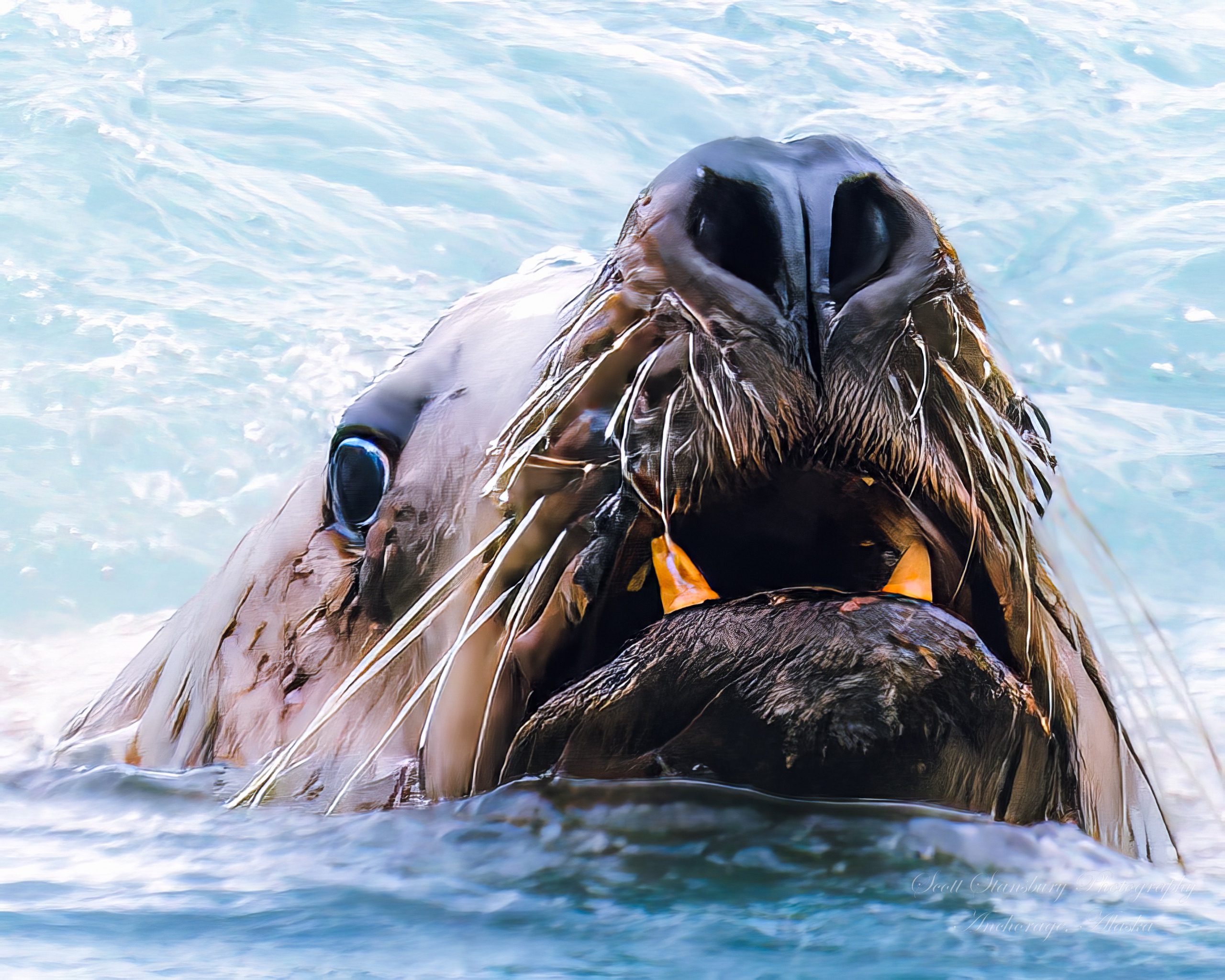
    For nature lovers and adventurous souls, few pursuits are as thrilling and rewarding as wildlife photography. This unique art form allows us to capture the raw majesty of the natural world and its inhabitants in all their unbridled glory. From the powerful gaze of a lion on the African savanna to the delicate grace of a hummingbird in flight, every photograph tells a tale of the wonders that exist beyond the boundaries of the civilized world we inhabit.

    At its core, wildlife photography is a celebration of the incredible diversity of life on our planet. Through the lenses of intrepid photographers, we bear witness to creatures great and small—from the lumbering giants that roam the land to the alien-like species that dwell in the depths of the oceans. Each subject, be it furred, feathered, scaled or shelled, possesses an intrinsic beauty that demands to be immortalized in vivid detail.

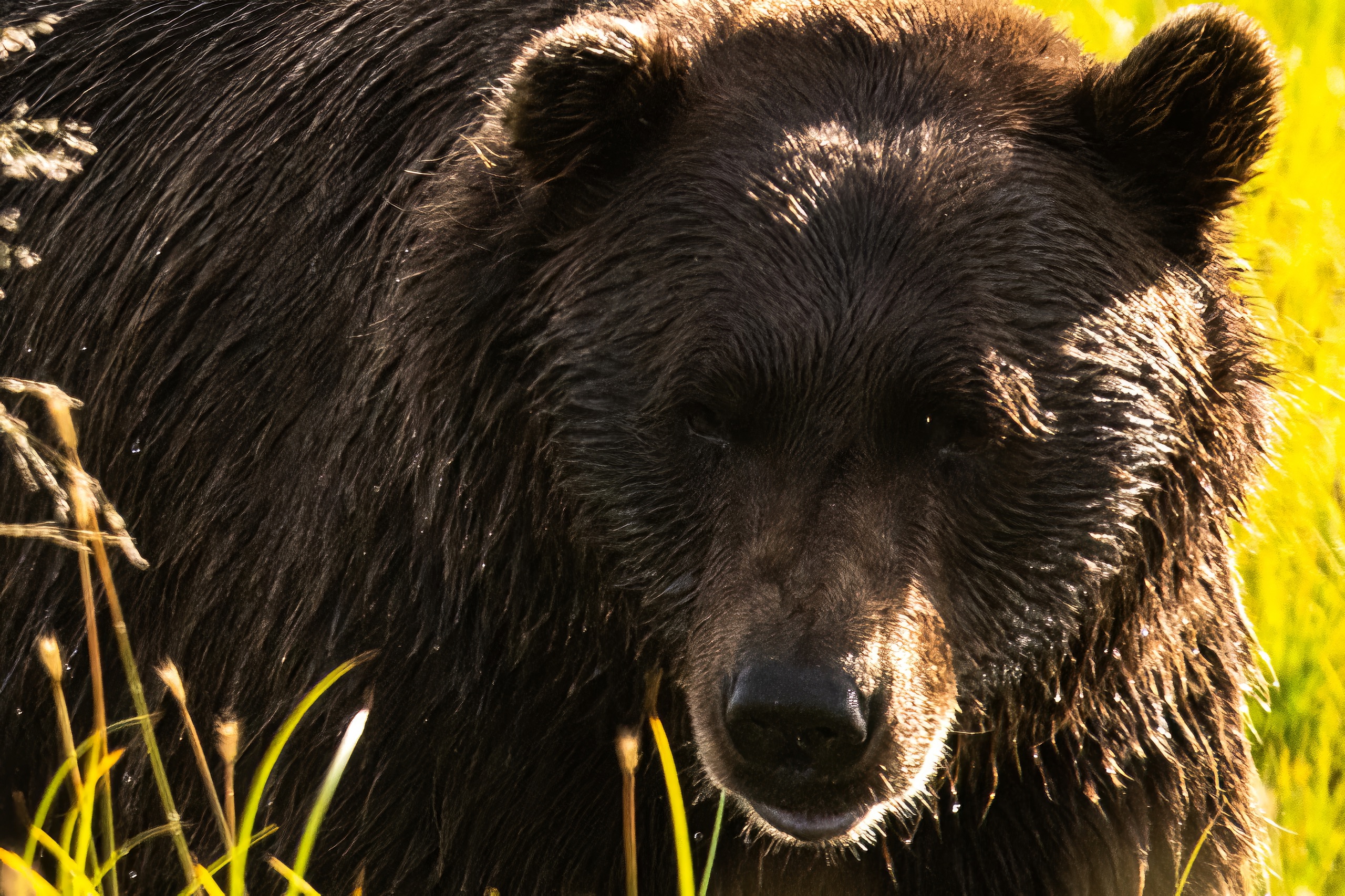
    Yet the true magic of wildlife photography transcends mere aesthetics. These images offer us a gateway into ecosystems and behaviors that would otherwise remain hidden from human eyes. They reveal the harsh realities and breathtaking adaptations that govern life in the wild, shattering our assumptions about the creatures with whom we share this planet. Through the art of patient observers, we learn of the tender familial bonds between a mother bear and her cubs, the brutal clash of a battle for dominance among bull elk, or the elegant aerial ballet performed by a flock of flamingos at sunset.

    Moreover, wildlife photography plays a vital role in raising awareness about the fragility of our world’s biodiversity. Each striking image serves as a poignant reminder of the irreplaceable natural treasures that risk being lost forever to habitat destruction, climate change, and human encroachment. By freezing the raw, untamed spirits of these creatures in time, photographers provide a powerful call to action for conservation and environmental stewardship.

    For those with a passion for adventure and an eye for beauty, wildlife photography offers an unparalleled opportunity to connect with the primal essence of our world. To patiently await that perfect moment when shutter and subject become one, freezing nature’s fleeting grandeur for all eternity—this is the immortal allure that captures the hearts and souls of those who dedicate their lives to this singular craft. In a world increasingly disconnected from its wild roots, their work is a priceless gift that reminds us of the breathtaking beauty that still lingers, if only we take the time to look.
  • Tips for Stunning Bird Photography

    Tips for Stunning Bird Photography

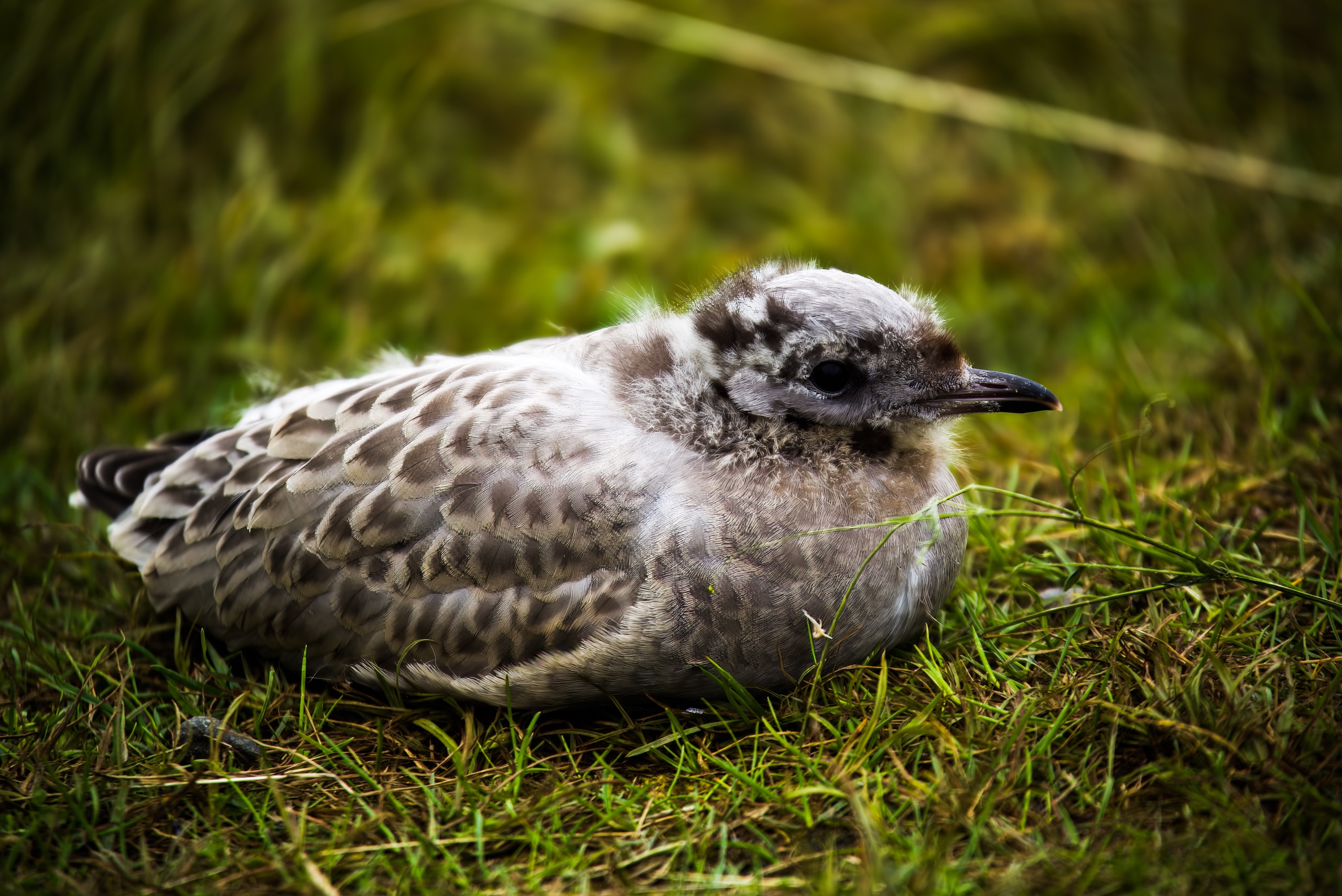
    Bird photography can be incredibly rewarding, capturing beautiful feathered creatures in their natural habitats. However, it also presents some unique challenges due to the small size and constant motion of birds. Here are some tips to help you take your bird photography to new heights:

    1. Use the Right Gear

    Invest in a camera with a fast autofocus system and high fps burst mode for capturing birds in flight. A telephoto lens with a focal length of 400mm or higher will allow you to get up close shots from a distance without disturbing your subjects. A tripod or monopod can also be very helpful for stability with those heavy lenses.

    2. Master Your Camera Settings  

    Set your camera to aperture priority mode and use a wide aperture like f/4 or f/5.6 to blur backgrounds and make your bird stand out. Increase your ISO as needed to get a fast enough shutter speed (at least 1/1000 sec) to freeze motion. Continuous autofocus mode is also essential for tracking birds.

    3. Find the Best Light

    Early morning and late afternoon light is generally most flattering for photographing birds, avoiding the harsh shadows of midday sun. Look for backgrounds that won’t be too cluttered or distracting. Being positioned with the sun behind you is ideal.

    4. Know Your Subject  

    Study the behavior patterns and habitats of the birds you want to photograph. Understanding their calls, flight patterns, nesting seasons, and favored perches will greatly increase your odds of getting close enough for great shots.

    5. Stay Low and Still 

    Birds are less threatened by objects below them than those at human eye level. Getting low to the ground and remaining still will put subjects more at ease. Use blinds or camouflage if needed. Move slowly and avoid sudden movements that will startle birds.

    6. Be Patient and Persistent 

    Bird photography requires a healthy dose of patience and many hours spent in the field simply observing and waiting for that perfect shot opportunity. Don’t get discouraged. The more time you invest, the more your skills will improve.

    With the right techniques and dedication, you’ll be able to create amazing bird imagery that shows off the beauty and complexity of these remarkable creatures.

  • Photography Tips for Capturing Amazing Wildlife Shots

    Photography Tips for Capturing Amazing Wildlife Shots

    Wildlife photography allows you to capture the beauty and behavior of animals in their natural habitats. However, it requires patience, skill, and the right techniques to get great shots. If you’re using a DSLR camera to photograph wildlife, here are some tips to help you take your photography to the next level:

    1. Use the right lens

    For wildlife photography, you’ll want a telephoto lens with a long focal length, ideally 300mm or higher. This will allow you to get close-up shots of animals without disturbing them. A zoom lens gives you flexibility to frame your shots at different distances.

    2. Master your camera settings

    Set your camera to Aperture Priority mode to control the depth of field. Use a wide aperture like f/4 or f/5.6 to blur the background and make your subject stand out. Increase your ISO to at least 400 or higher for faster shutter speeds to freeze motion. Continuous autofocus mode will help you keep fast-moving subjects in focus.

    3. Get down low

    Getting down to the animal’s eye level makes for much more engaging and intimate photographs. Lie on the ground or use a bean bag or monopod to stabilize your camera at the right height.

    4. Use good light

    The golden hours around sunrise and sunset provide beautiful, warm light for wildlife shots. If shooting in bright midday sun, look for shaded areas to avoid harsh shadows.

    5. Be patient 

    Wildlife photography requires immense patience. Spend time observing the animals first, and be ready to react quickly when the perfect shot presents itself. Move slowly and don’t make any sudden movements that could startle them.

    6. Mind your backgrounds

    Pay close attention to what’s behind the animal in your frame. A clean, uncluttered background will help make your subject pop, whereas a busy background can be distracting.

    7. Tell a story

    Great wildlife photos don’t just capture an animal’s appearance, but also give a sense of its behavior and environment. Look for interesting activities and interactions that tell a story about how the animal lives.

    With the right techniques and plenty of practice, you’ll be able to create breathtaking wildlife portraits that showcase the beauty of nature. The most important thing is to have fun and keep shooting!