
Category: Travel

  • Capturing the Pulse of the City: Tips for Shooting Vibrant Street Photography

    Capturing the Pulse of the City: Tips for Shooting Vibrant Street Photography

    Street photography offers a unique way to document the ever-changing rhythms and candid moments of life in a city. From bustling markets to quiet alleyways, the streets provide an ever-changing canvas waiting to be captured. However, street photography also presents its own set of challenges. Here are some tips to help you capture striking and authentic street shots:

    1. Shoot Candidly and Discretely

    The essence of street photography is capturing natural, unposed moments. Avoid disrupting the scene or drawing too much attention to yourself. Shoot from the hip or keep your camera at waist level to blend in with the surroundings. Use zones or manual focus to stay ready for spontaneous action.

    2. Work on Your Ninja Skills 

    Develop your ability to anticipate and time decisive moments. Street photography often involves quick reflexes and an eye for compelling gestures, expressions, or movements. See the potential for a great shot before it happens and be ready to capture it.

    3. Look for Compelling Juxtapositions

    The streets are full of contrasts, humor, and quirky details waiting to be framed. Look for interesting contrasts and layered scenes that create impactful visual stories. A pop of bright color, an unusual character, intriguing symmetry – these elements add depth and fascination.

    4. Explore Unique Angles

    Getting down low, going up high, or using foreground elements can instantly add energy and intrigue to an otherwise ordinary scene. Search for fresh angles and perspectives to make your street shots stand out from the crowd.

    5. Embrace Natural Light

    Street scenes are bathed in ever-changing natural light at different times of day. Learn to harness the drama of golden hour light, vibrant colors from flares and reflections, and the moodiness of backlit scenes. The play of light is what truly brings street photography to life.

    6. Respect Privacy

    While public spaces are fair game for street photographers, have a healthy respect for privacy. Avoid overly intrusive shots of private residences or moments, and never share identifying information without consent. Connect with your subjects if possible.

    7. Wander and Explore 

    The best street shots often come from getting off the beaten path and immersing yourself in the flow of a place. Wander side streets, alleys, squares and markets with a keen eye. The act of exploration often leads to unforgettable street scenes.

    Street photography celebrates the beauty, humor, poignancy and energy of public life. With patience, anticipation and a willingness to explore, you can capture unforgettable slices of life that show the true pulse of the city.
  • Tips for Stunning Cityscape Photography

    Tips for Stunning Cityscape Photography

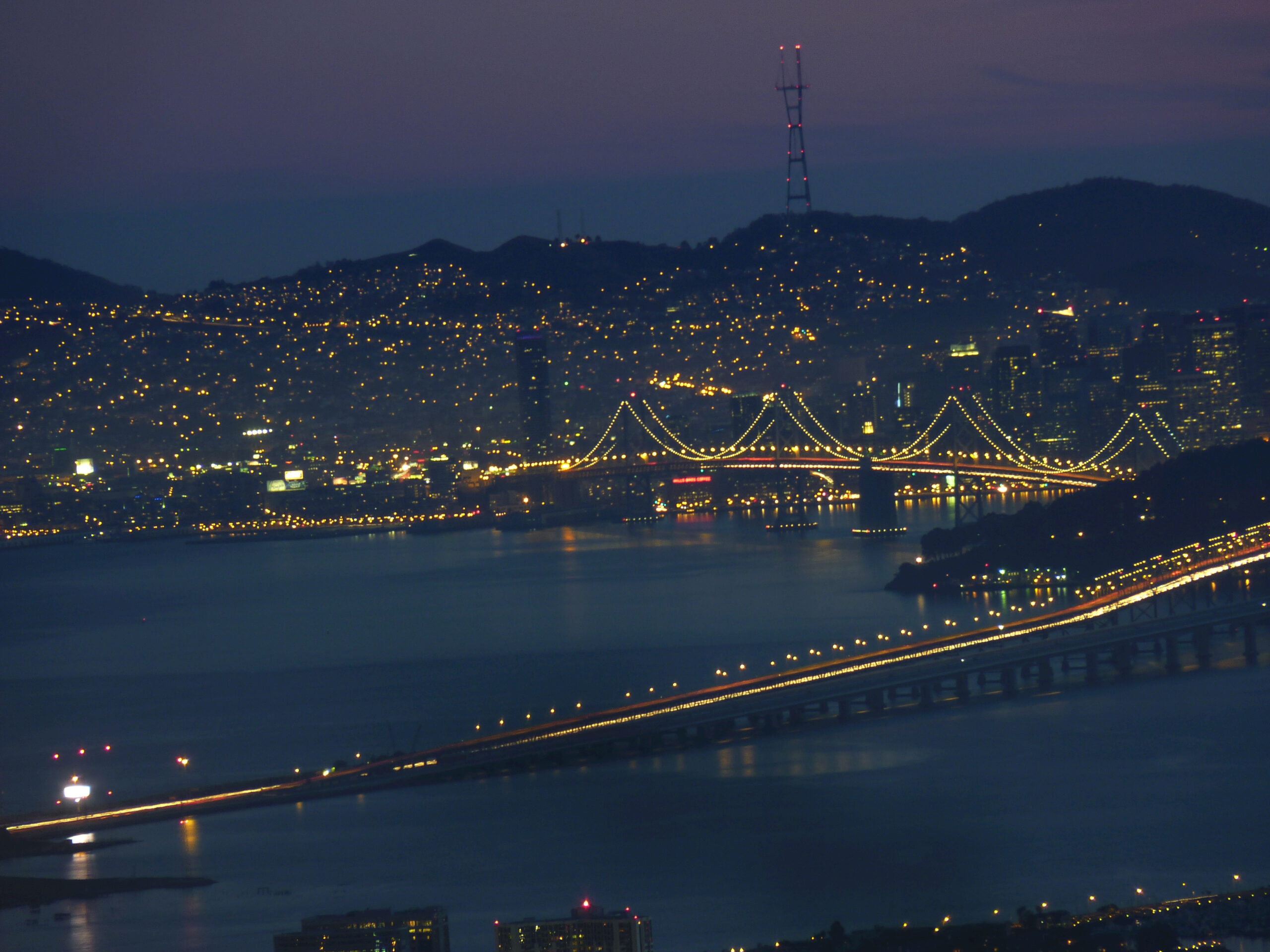
    Cityscape photography offers a unique opportunity to capture the beauty, energy, and grandeur of urban environments. From towering skyscrapers to historic landmarks bathed in city lights, there’s an endless array of subjects and compositions to explore. However, mastering cityscape photography requires a blend of technical skills and creative vision. Here are some essential tips to help you capture breathtaking cityscapes.

    1. Scout Locations and Timing

    Research and plan your shooting locations in advance. Scout potential spots during different times of the day to find the most favorable lighting conditions and angles. Golden hour, just after sunrise or before sunset, offers warm, flattering light that can add depth and dimension to your cityscapes. Alternatively, consider shooting at night when the city’s lights create a mesmerizing ambiance.

    2. Use a Tripod

    Cityscapes often require long exposures, especially in low-light conditions or when using smaller apertures for greater depth of field. A sturdy tripod is crucial for keeping your camera steady and preventing blurry shots. It also allows you to experiment with longer shutter speeds to capture light trails from moving vehicles or to smooth out water surfaces.

    3. Play with Perspective

    Experiment with different perspectives and angles to create unique and compelling compositions. Try shooting from a high vantage point to capture a bird’s-eye view of the cityscape, or get down low for a dramatic, ground-level perspective that emphasizes the towering structures. Look for interesting leading lines, such as roads, bridges, or architectural elements, to guide the viewer’s eye through the frame.

    4. Incorporate Foreground Elements

    While cityscapes often focus on the skyline, incorporating interesting foreground elements can add depth and visual interest to your shots. Look for reflective surfaces, like puddles or glass facades, that can mirror the cityscape and create intriguing abstract compositions. Strategically placing people or objects in the foreground can also provide a sense of scale and context.

    5. Bracketing and HDR

    The dynamic range of urban scenes can be challenging to capture, with bright highlights and deep shadows. Consider using bracketing to take multiple exposures at different shutter speeds or apertures, which can later be blended into a high dynamic range (HDR) image. This technique can help preserve detail in both the highlights and shadows, resulting in a more balanced and detailed cityscape.

    6. Experiment with Long Exposures

    Long exposures can transform ordinary cityscapes into mesmerizing, abstract compositions. By keeping the shutter open for an extended period, you can blur the movement of clouds, vehicles, or pedestrians, creating a sense of motion and energy. Use a neutral density filter to allow longer exposures during bright daylight conditions.

    7. Embrace the Weather

    While clear skies can be desirable, don’t overlook the dramatic potential of inclement weather. Clouds can add depth and drama to your cityscapes, while fog or mist can create a moody, atmospheric look. Rain can also provide unique opportunities, with reflections on wet surfaces and the interplay of city lights and water droplets.

    Remember, cityscape photography is not just about capturing the grandeur of urban environments; it’s also about conveying a sense of emotion, energy, and storytelling. Experiment with different techniques, be patient, and most importantly, have fun exploring the endless possibilities of capturing the essence of the city.